On bio-acetate, slowly
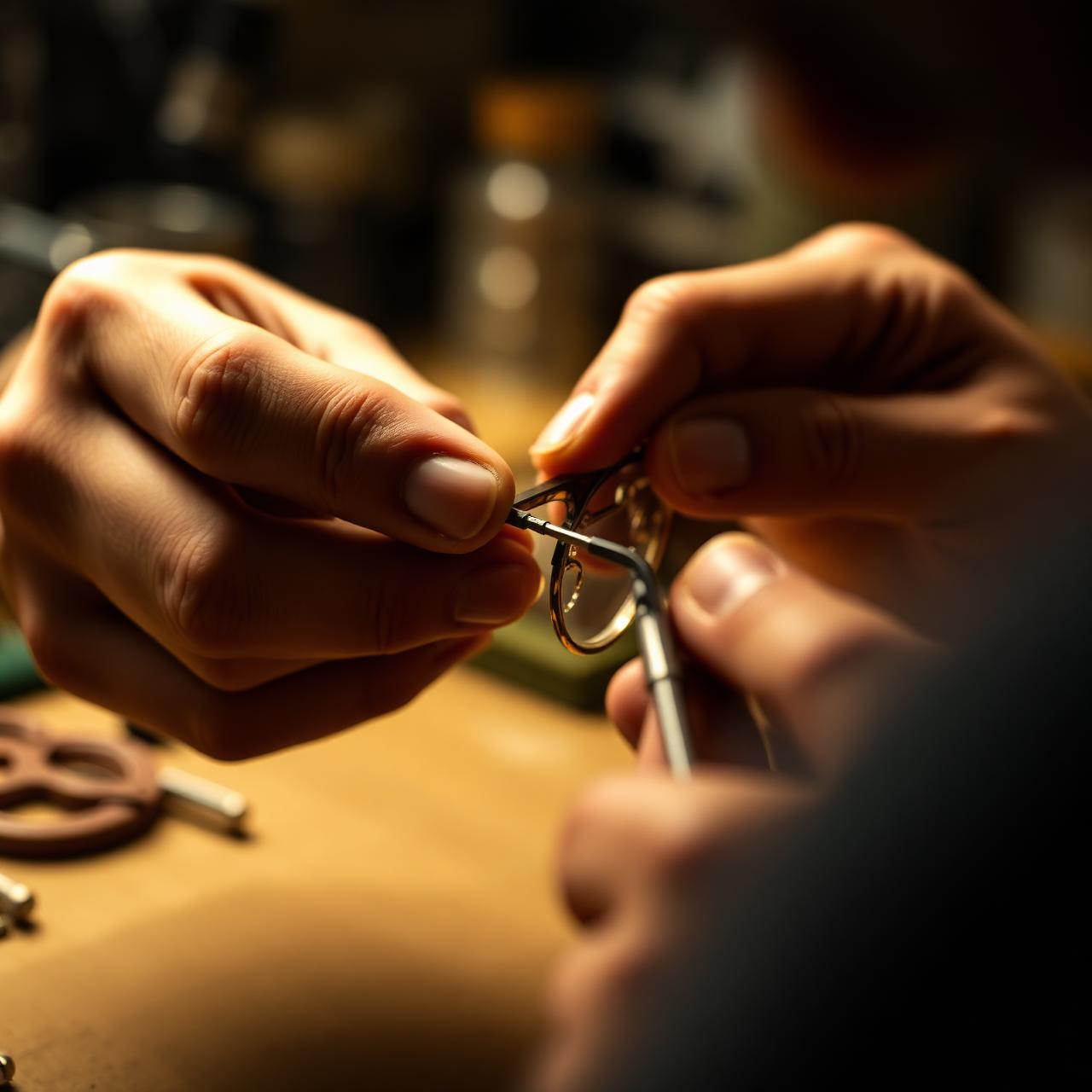
Why the longest-lived frames begin with a thirty-day cure in Cadore.
Bio-acetate begins, improbably, as cotton.
The fibres are pressed, dissolved, and bound with plasticisers derived from plants rather than petroleum. The resulting sheets arrive at our workshop in Cadore in muted blocks — tortoise, honey, smoke, a green so dark it reads as black until the sun finds it.
What happens next cannot be rushed.
Each block is rested for thirty days. The material needs to settle, to release the tension introduced during pressing, to become — for lack of a better word — calm. Frames cut from un-rested acetate warp within a season. Frames cut from rested acetate hold their shape for a decade.
Our cutters work from paper templates that have not changed in eleven years. The shapes are refined, never reinvented. A millimetre at the brow line is the difference between a frame that flatters and a frame that merely fits.
After cutting comes tumbling — wooden drums filled with beech chips and a small amount of pumice, turning slowly for three days. The edges round. The surface softens. The frame begins to feel like something that has always existed.
Polishing is done by hand. Always by hand. A machine can produce a shinier finish in a fraction of the time, but it cannot read the grain of the material, and acetate, like wood, has a grain.
The hinges arrive separately, from a family workshop two valleys over. They are set by heat, not glue, and adjusted under a lamp older than most of the people who use it.
A finished frame weighs almost nothing. That weightlessness is the result of roughly six weeks of work.
We tell customers that bio-acetate is the responsible choice, and it is. But the deeper reason we use it is simpler: it ages well. It develops a patina, a warmth, a quiet authority that petroleum acetate never quite achieves.
The best objects do not announce their materials.
They simply last.
— The Editors